

Description
Cities are shaped by crises, and we are living in an age of crises. Large-scale economic and social upheaval, alongside global environmental and climate challenges, will constrain cities’ room for manoeuvre in both the short and long term. In Malmö, however, development continues as if the future were still set to revolve around shopping, tourism, conferences and ever-rising house prices. In short, the neoliberal agenda remains firmly in place. The idea is that by attracting entrepreneurs and capital, money will trickle down through the income brackets and benefit all the city’s residents. But in reality, unemployment and poverty have only continued to grow in the shadow of the showpiece developments Turning Torso and Malmö Live.
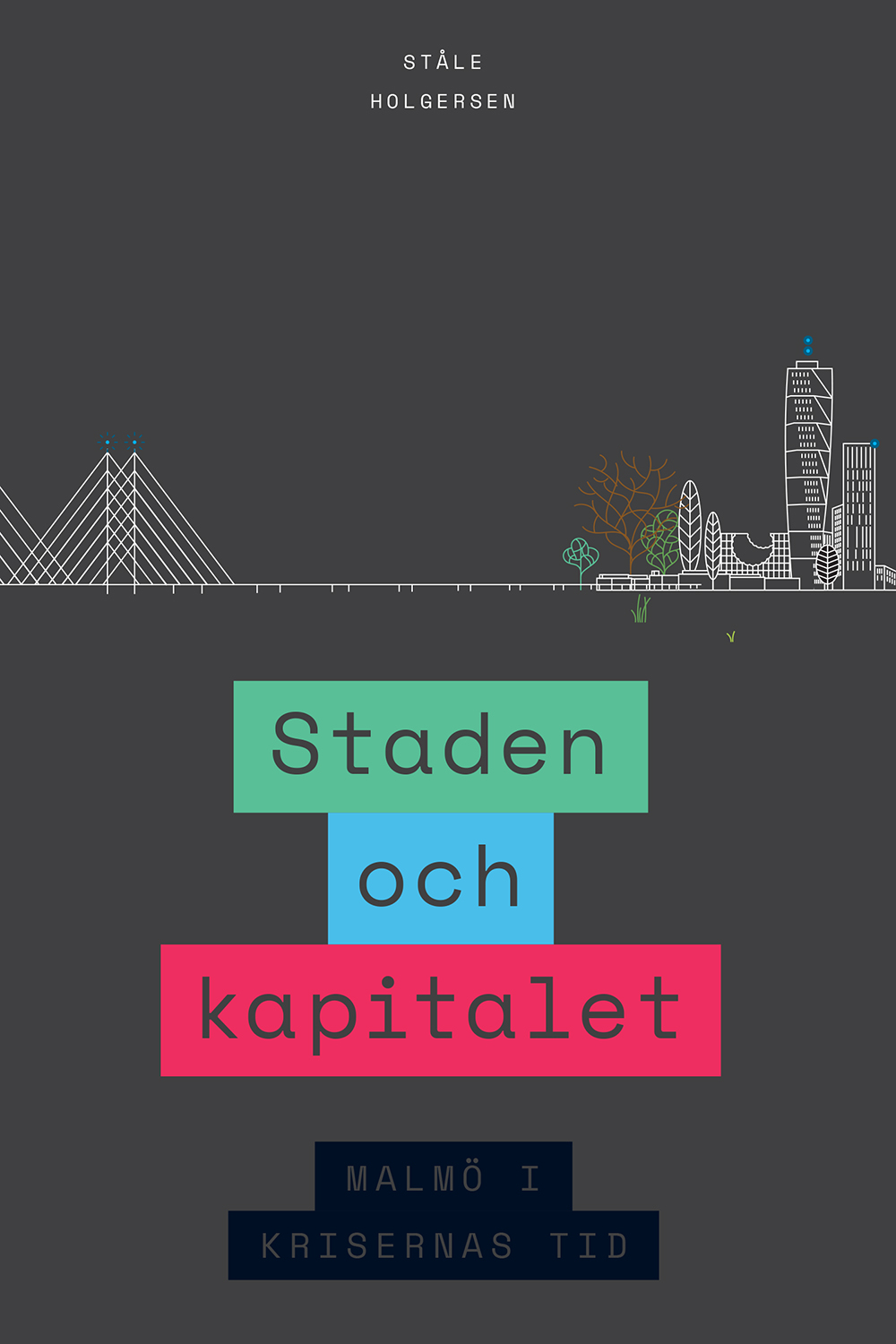
Ståle Holgersen’s *The City and Capital* delves into Malmö’s social and economic history since the mid-19th century and examines phenomena such as growth, segregation, polarisation and neoliberal politics from a Marxist perspective. What reality lies hidden beneath these? And how environmentally sustainable is the city really, despite all the fine words about sustainability? The book makes economic theory accessible and thought-provoking, and urban history politically relevant. But it also looks ahead, on both a grand and a local scale, and poses the crucial question of how our cities can best cope with current and future crises.
Ståle Holgersen’s *The City and Capital* delves into Malmö’s social and economic history since the mid-19th century and examines phenomena such as growth, segregation, polarisation and neoliberal politics from a Marxist perspective. What reality lies hidden beneath these? And how environmentally sustainable is the city really, despite all the fine words about sustainability? The book makes economic theory accessible and thought-provoking, and urban history politically relevant. But it also looks ahead, on both a grand and a local scale, and poses the crucial question of how our cities can best cope with current and future crises.