

Description
"It is not the concrete that makes us who we are; it is we who make the concrete more than just stone. When we talk about 'the Place', we are referring more to shared experiences than to a geographical area – our shared experience of being far removed from the norm. Both as non-white people and as the working and underclasses, it is we who end up on the city’s outskirts, or in the ‘suburbs’. With the Orten Art Festival, we want to highlight our experiences and our culture."
– Press release from Pantrarna for the regeneration of the suburbs ahead of the Orten Art Festival art exhibition in Gothenburg’s Frihamn in 2016
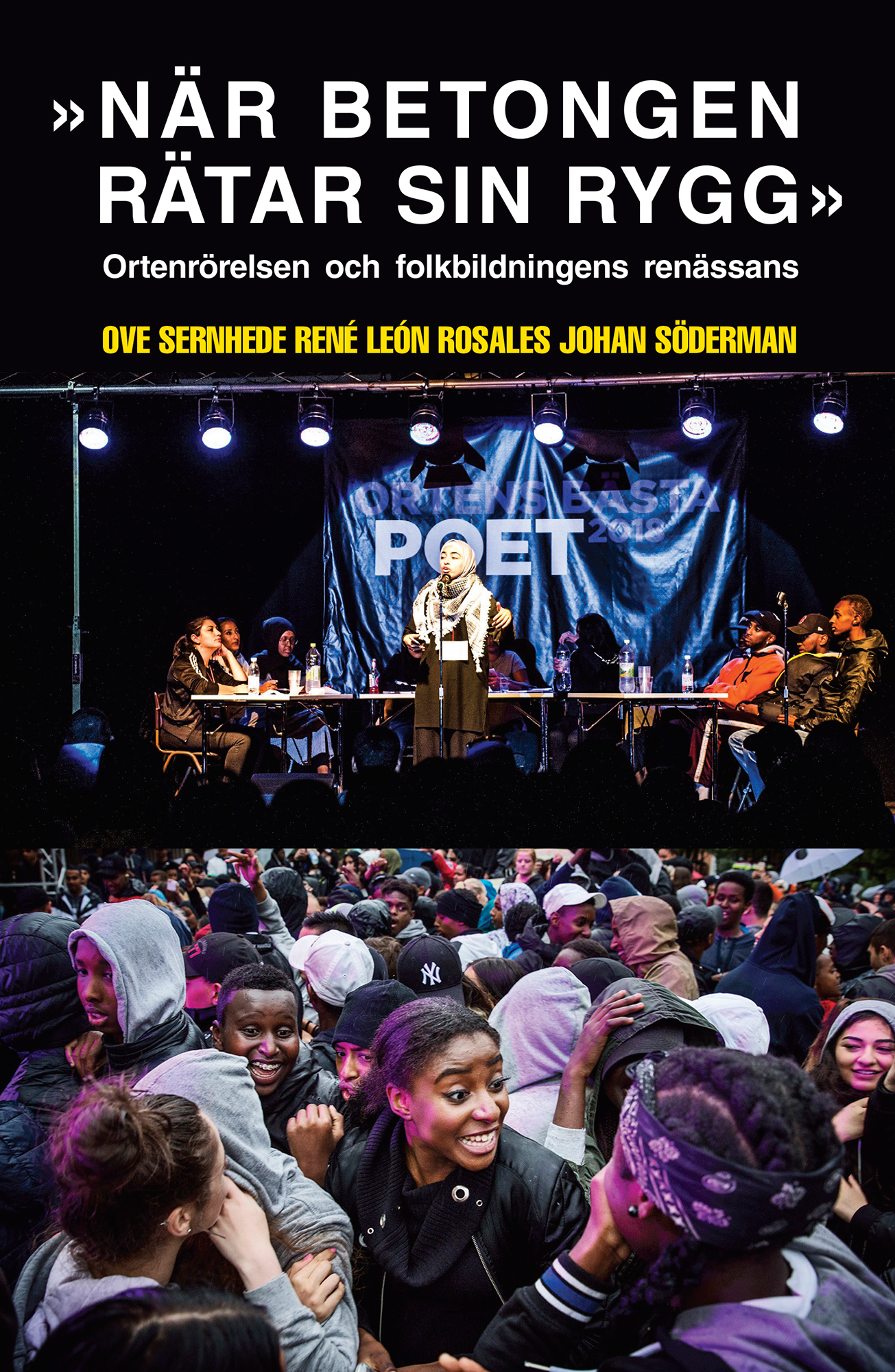
The Orten movement is the collective name for the mobilisation currently taking place in stigmatised residential areas throughout Sweden. More than a century ago, the Swedish working class demanded the right to vote and decent living conditions. Alongside trade unions and political parties, a movement for public education and cultural policy was also established, aimed at providing redress and instilling courage in the groups that were, at that time, fighting to become part of society. Today, the suburban world is raising its voice and demanding redistributive policies and to be regarded as full citizens. In a manner similar to the beginning of the last century, this is happening today in parallel with the political demands: an organisation centred on the pursuit of knowledge and education that can strengthen self-esteem and provide guidance for the struggle for a just society. This book explores the background to and emergence of this new suburban mobilisation, the Orten Movement.
Ove Sernhede is a senior professor at the University of Gothenburg. Johan Söderman is a professor at the University of Gothenburg. René León Rosales is a research director at the Multicultural Centre in Botkyrka.