

Description
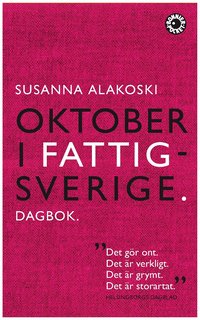
I am following in my own footsteps for the first time again. The biography is entering my life now, even though it takes place long after the events of the biography. The biography steps into the fray, relentlessly pushing aside what has been repressed. It does not make excuses. Nor does it offer explanations. It is true that on certain days I see the dead. We are always in the same kitchen, the same living room, hall, bathroom. There is always blood there. Or freshly baked bread. Mum is bruised. Or perhaps she isn’t. Dad is in one of his phases. We have a small kitchen table, four chairs and a stool. It is I who sit on the stool. We lived through great upheavals. It was heaven or hell; it was heaven in hell. Is it possible to write without causing pain, is it possible to remember without hurting someone else? The scars are mine, just as the pen is, and the one who writes is the one who remembers, and the one who writes is also the one who extracts words from the story, directs the light, erases and preserves. The others, those who wrote the scars, those who are the subject of the text, how can they respond or defend themselves? It is hardly possible; they are strangers or dead, or else they are gone for other reasons. In her October diary, Susanna Alakoski describes how she tries to come to terms with her teenage years. She spends time in the town where she grew up, she travels through Sweden, and alongside the arduous work of remembering and writing, she looks around at a society where the same patterns still remain: people living in poverty, homelessness and invisibility.